What Does Lab Grown Diamonds Do?
Table of ContentsTop Guidelines Of Lab Grown DiamondsThe 5-Second Trick For Lab Grown DiamondsThe Best Guide To Lab Grown Diamonds7 Easy Facts About Lab Grown Diamonds Explained
As you take a trip closer to the Planet's core, stress and temperature boost, which creates the excellent stove for carbon to be exchanged diamond (diamonds are the only gemstone to be made from simply one aspect). Through a substantial volcanic eruption, these rubies were transported to the Earth's surface. It's estimated this process was rather quick (probably over the course of a number of hours), which enabled the rubies to stay undamaged without melting.The brief response: carat weights measure the mass of stones, karats determine the purity of gold. Carat: 1 carat weight is equal to 0.2 grams, about the weight of a paperclip (next time you see a photo of Mariah Carey's 35 carat interaction ring, simply envision the worry of lugging 35 paper clips around your finger each day).
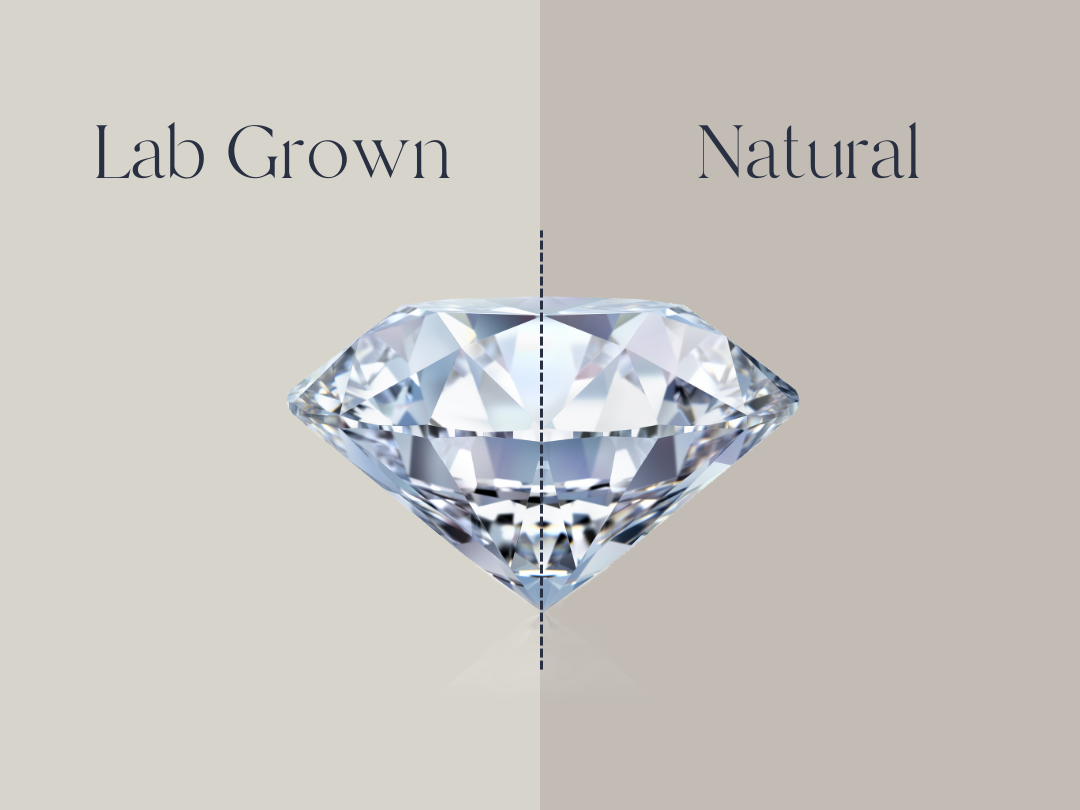
Below are a few of the crucial benefits of laboratory grown rubies and lab grown up diamond jewelry:.
Lab Grown Diamonds - An Overview
Simply put, all-natural or earth-mined rubies are crafted over countless years under the Planet's crust from pure carbon combined with stress and heat. Creating diamonds in a lab requires the same process, simply fine-tuned to happen over a much smaller period in a far more controlled setup.
Whereas earth-mined rubies are unusual and finite and tend to increase in price over time, lab diamonds are readily offered., like lab-grown diamond rings, they will not be an excellent fit for your requirements.
They could believe that the cons of lab-grown rubies outweigh the pros. Problems, battles, and human legal rights concerns are all intermingled with the diamond sector. That stated, the ruby sector does give earnings to third-world countries. Some may argue that, consequently, buying a lab-made ruby also features its ethical considerations, as doing so takes revenue away from those associated with the natural ruby sector who might need it most.
Conventional diamonds depend on the Planet's conditions to identify their high quality or absence thereof. In a lab, suppliers can straight manage a diamond's top quality. Yes, there are ethical and environmental factors to consider with both extracted and manufactured diamonds. Suppose your budget plan just enables you to purchase particular colors or cuts of all-natural diamonds.
The 9-Minute Rule for Lab Grown Diamonds
You can conveniently discover colored, synthetic rubies on the (fairly) economical side as well as certain cuts that would be costlier if you were going shopping for an extracted diamond just. That barely means it isn't worth protecting.
natural rubies is that the last is mined from all-natural down payments in the Planet while the former is made in a laboratory using regulated settings. Their high quality is mostly the exact same. While the difference between lab-grown and natural ruby choices are very little when it involves quality, a few of the drawbacks of lab-grown rubies include the fact that the rock will drop in time and, to some, an absence of emotional value that's typically related to extracted rubies
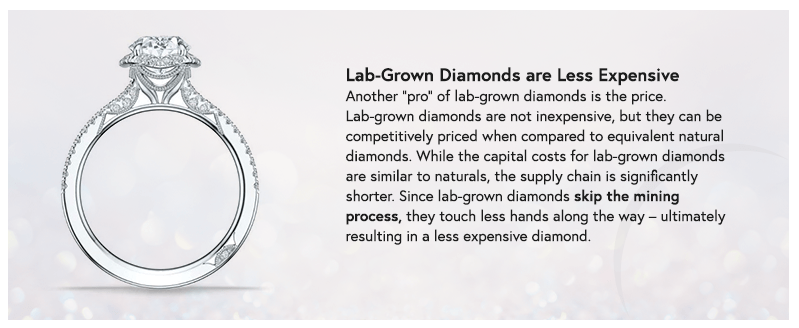
The process includes marginal land disturbance and eliminates issues connected to logging and habitat destruction. Lab-grown rubies are commonly more inexpensive than all-natural rubies. This cost difference can be connected to the streamlined production process and the evasion of expenses connected with typical mining. The Controlled Environment in Which Laboratory Grown Diamonds Are Produced Permits Regular Top Quality.
Adaptability in Style - Laboratory Grown Diamonds Offer Developers and Customers a Versatile Combination to Create One-of-a-kind and Innovative Jewelry Styles. the Controlled Growth Process Enables The Production of Diamonds in Different Shapes and Sizes. Laboratory Ruby Bands are one of the most Famous Among Lab Diamond Jewelry. Laboratory Rubies Usually Feature An Even More Clear Supply Chain.
Lab Grown Diamonds - Questions
Market Understanding - Regardless Of Their Identical Physical Features, Laboratory Diamonds May Face Tests in Market Assumption. Some Customers Still Perceive Natural Diamonds as Having Higher Value and Eminence. The Manufacturing of Lab-Grown Diamonds Can Be Energy-Intensive, Especially in Approaches Like High Pressure Heat (hpht) and Chemical Vapor Deposition (cvd).
Natural Rubies Are Developed Over Countless Years Deep Within the Planet, Contributing to Their Perceived Rarity. Lab-Grown Diamonds, Despite Their The Same Residence, Might Not Lug the Very Same Rarity Factor, Affecting Their Perceived Value for Some Customers. Effect On Diamond-Dependent Economies - the Change Towards Laboratory Grown Diamonds May Have here Financial Effects for Nations and Neighborhoods that Rely On The Ruby Mining Industry.
Laboratory Diamonds Are of Equal High Quality to Natural Diamonds in Terms of Hardness, Luster, and Clearness - Lab Grown Diamonds. Yes, Laboratory Diamonds Shimmer Just Like All-natural Diamonds. Their Sparkle and Sparkle Are a Result of Their Cut and The Means Light Connects with Their Aspects.